Electric vs Hydraulic Press Brake: Which Technology Gives Your Shop the Edge?
Continue reading “Electric vs. Hydraulic Press Brake: Which Is Right?”
Electric vs Hydraulic Press Brake: Which Technology Gives Your Shop the Edge?
Continue reading “Electric vs. Hydraulic Press Brake: Which Is Right?”
David Scurlock is a fabrication and cutting technology specialist at Capital Machine with experience supporting aerospace and precision manufacturing applications. David focuses on aligning cutting processes with material science, compliance requirements, and long-term production performance to ensure customers invest in the right technology for their application.
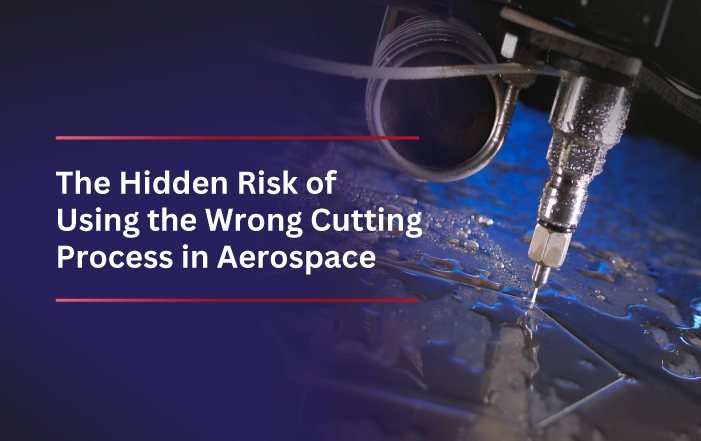
In aerospace fabrication, process selection is rarely a commodity decision. Material integrity, compliance requirements, and downstream tolerances demand that cutting technology be chosen with precision.
Yet many manufacturers default to the most common or fastest cutting option without fully evaluating material behavior and long-term implications.
This customer experience illustrates why the wrong cutting process can introduce hidden risks — and how disciplined evaluation prevents them.
Late last year, an aviation manufacturer requested a quote for a laser system.
On the surface, lasers offer speed and precision. But aerospace applications often involve materials sensitive to heat input.
Heat-affected zones (HAZ) can alter microstructure, introduce stress, and complicate downstream welding or forming processes.
That warranted a deeper conversation.
During on-site discussions, we reviewed:
The answer was clear: the customer needed flexibility across both precision sheet work and thicker near-net shaping applications.
A laser solution posed both heat concerns and budget challenges.
Waterjet cutting provides a cold-cutting process that:
Time studies and live demonstrations validated throughput expectations and showed how waterjet technology aligned with the customer’s operational and financial requirements.
The decision was made to invest in the right machine for the application.
Aerospace manufacturers operate under strict quality standards where minor material changes can have significant implications.
Three factors make cutting-process selection especially critical in aerospace:
Choosing a cutting process without considering these variables introduces unnecessary risk.
Before selecting a cutting technology for aerospace applications, consider:
Cutting speed is important — but material science matters more.
In aerospace manufacturing, the wrong cutting process doesn’t just slow production.
It can compromise quality, compliance, and long-term reliability.
The right process is the one aligned with material behavior and application demands — not industry trends.
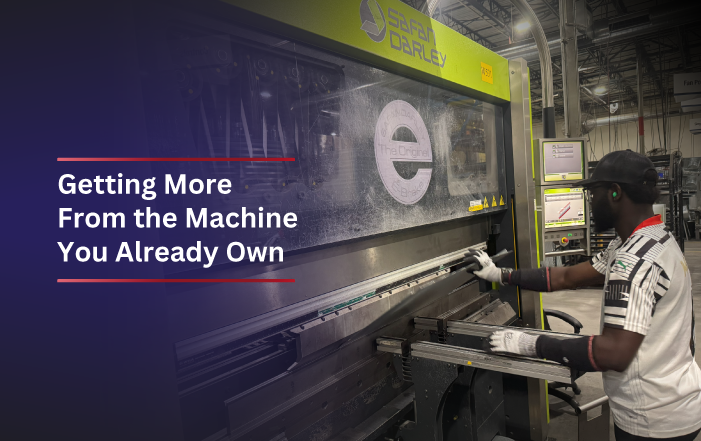
Investing in new equipment is one of the most effective ways to increase production capacity, but it’s not the only way. In fact, many manufacturers already have untapped potential sitting on their shop floor.
Over time, production demands evolve. New materials are introduced, customers require tighter tolerances, and product mixes become more complex. Yet many shops continue to run the same programs, use the same tooling, and follow the same processes they established years ago. As a result, they may only be using a fraction of what their equipment is capable of delivering.
That’s where CNC application support plays a valuable role. Rather than focusing on repairs, application support helps manufacturers refine the way their machines are used, uncovering opportunities to improve efficiency, quality, and throughput through smarter processes. It’s an important part of manufacturing process optimization, helping shops maximize the return on the equipment they already own.
Modern fabrication equipment is designed with a wide range of capabilities, but many manufacturers never fully explore them. Once a machine is producing acceptable parts, there’s often little incentive to revisit established processes.
This happens for several reasons. Operators may not have received advanced training after installation. Employee turnover can lead to the loss of valuable programming knowledge. Production schedules leave little time to experiment with new features or optimize existing programs. In many cases, manufacturers simply aren’t aware of capabilities that could improve performance.
The result isn’t a machine that’s underperforming because of a mechanical issue, it’s a machine that’s operating below its full potential because processes haven’t evolved alongside production needs.
Unlocking those capabilities doesn’t necessarily require new equipment. Sometimes it simply requires a fresh perspective and the right technical expertise.
Small inefficiencies often go unnoticed because they’ve become part of the daily routine. Individually, they may seem insignificant. Collectively, they can have a measurable impact on productivity and profitability.
Some of the most common opportunities for metal fabrication process improvement include:
Programs that were created years ago may still work, but they may not represent the fastest or most efficient approach. Small programming adjustments can reduce cycle times without compromising quality.
Lengthy changeovers reduce available production time. Reviewing setup procedures, sequencing, and operator workflows can often streamline the transition between jobs.
Using the correct tooling for a specific application improves accuracy, reduces wear, and helps maintain consistent part quality while shortening setup time.
As manufacturers begin processing different grades or thicknesses of material, cut speeds, feed rates, and bend parameters often need adjustment to maintain optimal performance.
Even when machines are operating efficiently, unnecessary movement, inconsistent processes, or communication gaps between departments can create production bottlenecks that limit output.
Identifying these opportunities is a key part of manufacturing application engineering, where improving the overall production process becomes just as important as maintaining the equipment itself. Explore our services to learn more about how we can support you.
Application support is often misunderstood as technical support after something goes wrong. In reality, it is a collaborative process focused on helping manufacturers solve production challenges and optimize machine performance.
At Capital Machine, application specialists work alongside customers to understand their specific production goals and identify practical improvements that deliver measurable results.
Depending on the application, that support may include:
Rather than offering generic recommendations, these improvements are tailored to each customer’s products, materials, and manufacturing environment.
The goal isn’t simply to keep machines running—it’s to help shops improve manufacturing productivity through smarter processes and better utilization of existing equipment.
Manufacturers often associate productivity improvements with major investments. However, meaningful gains frequently come from a series of smaller refinements that build on one another.
For example, adjusting programming parameters may reduce cycle times by only a few seconds per part. Improving setup procedures may eliminate several minutes during every job change. Optimizing tooling selection can reduce scrap while improving consistency.
Individually, these changes may seem modest. Across hundreds or thousands of production cycles, they can significantly increase throughput while improving quality and repeatability.
These incremental improvements also build operator confidence. When machines produce consistent results, operators spend less time troubleshooting and more time focusing on production.
The result is greater efficiency without adding equipment, expanding floor space, or disrupting operations.
A successful machine installation is only the beginning of the relationship.
As customer requirements evolve, manufacturers often begin working with new materials, different part geometries, tighter tolerances, or increased production volumes. Processes that once performed well may no longer represent the most efficient approach.
That’s why application support should be viewed as an ongoing partnership rather than a one-time service.
By periodically reviewing production processes, programming strategies, tooling, and machine performance, manufacturers can continue adapting to changing business needs while maximizing the value of their existing equipment.
Continuous improvement isn’t about constantly changing the way you work. It’s about making thoughtful adjustments that keep your operation competitive as technology and production demands evolve.
The most valuable investment is making sure you get the most from every machine you purchase. Through CNC application support, manufacturing process optimization, and ongoing technical collaboration, manufacturers can increase machine efficiency, improve product quality, and strengthen long-term productivity without making another capital investment.
At Capital Machine, our specialists work alongside manufacturers to identify opportunities for improvement that align with their production goals today and prepare them for tomorrow’s challenges.
Contact our Service Team to learn how application support can help you unlock the full potential of your existing equipment.
By Joshua Swainston
Program Manager, OMAX Corporation
Edited by Capital Machine
Talk to the operators who run waterjets and one theme comes up again and again: the software makes or breaks the machine. At Capital Machine, that feedback shapes what we sell, and it is a big reason we distribute OMAX waterjets and the IntelliMAX software that drives them.
OMAX IntelliMAX software is built around a simple idea: make abrasive waterjet cutting easier to program, easier to run, and easier to trust from the moment a part file enters the workflow. For shops trying to move quickly from print to part, that matters because the software does more than control the machine. It helps guide the process, automate setup, and give operators a clear path from design file to finished part.
That is where IntelliMAX starts to separate itself from other waterjet CAD/CAM software: it is not generic software adapted for waterjet cutting, it is software built around the OMAX cutting process. Built specifically for OMAX waterjet systems, IntelliMAX brings together waterjet-specific cutting intelligence, automated toolpathing, material-based cutting models, and operator-friendly controls in one connected software environment. Instead of asking operators to jump between disconnected tools or rely on guesswork, IntelliMAX keeps the workflow focused and practical.
The result is software that supports one of the most important promises in OMAX waterjet cutting: getting from a design file to a finished part as quickly and accurately as possible. This is not about saying the industry is broken or that every other approach is wrong. It is about standing behind a software platform that OMAX has built, tested, and refined around the real work of abrasive waterjet cutting.
That is why automation and ease of use are central to the IntelliMAX software experience. The software is built to reduce unnecessary steps, simplify programming, and help operators produce quality parts with less manual setup and more confidence. From print to part, OMAX IntelliMAX gives manufacturers a software experience designed for the way waterjet work actually gets done.
Software Built for the Machine It Controls
One of the advantages of OMAX developing its own software is that IntelliMAX is designed to work directly with the machine, motion system, and cutting process. That connection matters because waterjet cutting is not just generic motion control. Material type, thickness, edge quality, taper, pierce behavior, and cutting speed all affect the final part.
Some systems depend on software, controls, and cutting data that were developed separately and then made to work together. OMAX takes a different approach. Software, tables, pumps, and motion systems are built from the ground up to work as one complete waterjet platform. That matters because the operator is not left trying to bridge gaps between disconnected parts of the workflow.
The result is a streamlined workflow where material data, cutting models, machine performance characteristics, and toolpath generation all work from the same foundation. Operators are not forced to calculate cutting speeds, compensate for every process variable, or spend time building extensive databases of cutting parameters. IntelliMAX handles much of that work automatically behind the scenes, which allows the operator to stay focused on the part.
First-Time-Right Parts with Less Guesswork
The real value of the print-to-part experience is confidence. When a part reaches the cutting table, manufacturers want to know that it will be produced correctly the first time, without a long cycle of trial cuts, adjustments, and second guesses.
IntelliMAX software helps make that possible through material cutting models that are built directly into the software. Instead of relying on trial-and-error programming or repeated setup adjustments, operators can use cutting data developed specifically for abrasive waterjet applications. The software automatically applies the appropriate cutting parameters based on material type, thickness, and quality requirements.
For manufacturers, that means less time spent creating test parts and fewer surprises once production begins. Reducing trial cutting not only saves time, it also reduces material waste, minimizes scrap, and helps shops keep projects moving forward without unnecessary interruptions.
Simplicity That Reduces the Learning Curve
Powerful software is only valuable if people can actually use it. That is one reason IntelliMAX has earned a reputation for being approachable, even for operators with limited waterjet experience. The workflow is straightforward: import a design, select the material and thickness, define the starting location, and begin preparing the cutting program.
Much of the complexity that traditionally required years of waterjet experience is managed automatically by the software. This allows new users to become productive faster while still giving experienced operators access to the advanced functionality they need.
For shops dealing with workforce shortages, cross-training employees, or bringing new operators on board, an easier-to-learn software platform can become a real competitive advantage.
Training Designed Around Operator Success
Even with software designed to be easy to learn and straightforward to use, support still matters. OMAX backs IntelliMAX with online training resources that operators can work through at their own pace, along with hands-on, in-person instruction at its manufacturing facility.
Capital Machine adds a local layer to that support. As an OMAX distributor of choice, Capital Machine helps customers plan installation and training, answers applications questions as new jobs come through the door, and stays involved long after the machine is on the floor. Whether an operator is completely new to waterjet cutting or looking to expand their expertise, the combination of intuitive software, OMAX training, and a nearby support team helps accelerate the path to productivity.
A More Efficient Path from Design to Production
Manufacturing efficiency is often measured on the shop floor, but many of the biggest gains happen before the first cut is ever made. Every minute saved during programming, setup, and job preparation helps shorten lead times and improve throughput.
Because IntelliMAX Software integrates design import, toolpath generation, machine control, and waterjet-specific cutting intelligence into a single environment, operators can move through the production process more efficiently. The result is fewer handoffs, fewer opportunities for mistakes, and a smoother connection between engineering and manufacturing.
That is ultimately what the print-to-part experience is all about: not adding more complexity, but removing it. By combining software developed specifically for abrasive waterjet cutting with proven cutting models, intuitive workflows, and comprehensive training resources, OMAX helps manufacturers spend less time preparing parts and more time producing them.
In a competitive manufacturing environment, faster, simpler, and more predictable production is not a small thing. It is the kind of software experience that helps operators get good parts off the table with less friction, and it is a big part of why Capital Machine is confident putting IntelliMAX in front of its customers.
FAQ
What does “print-to-part” mean?
Print-to-part refers to the process of moving from a completed design file to a finished part with minimal manual intervention. The goal is to simplify programming, reduce setup time, and produce accurate parts faster.
Why is IntelliMAX Software different from generic CAD/CAM software?
IntelliMAX was developed specifically for abrasive waterjet cutting and designed to work directly with OMAX machines. Because the software and machine are engineered together, operators benefit from integrated cutting models, simplified workflows, and waterjet-specific automation.
How can Capital Machine help me evaluate an OMAX waterjet?
As the preferred OMAX distributor across the United States, Capital Machine helps manufacturers evaluate the complete solution: the machine, the IntelliMAX software, training, and long-term support. Our team can arrange demonstrations, cut sample parts in your materials, and help you compare OMAX product lines to find the right fit for your applications.
In manufacturing, machine failures rarely happen without warning. More often, equipment gives operators subtle clues that something isn’t quite right long before production comes to a halt. A new vibration, a slower cycle time, or a slight change in part quality may seem insignificant in the moment, but these small changes are often the first signs of a larger issue developing beneath the surface.
Recognizing these machine warning signs early is one of the simplest ways to reduce unexpected breakdowns and protect your investment in equipment. The challenge is knowing which changes deserve attention and acting before a minor issue becomes a major repair.
Machines don’t typically fail overnight. Components wear gradually, alignment shifts over time, and operating conditions change as equipment ages. While modern machines often include alarms and diagnostic systems, operators are usually the first to notice that something feels different.
An experienced operator might hear an unfamiliar sound, notice a slight vibration, or realize a process is taking longer than usual. These observations are valuable because they often appear before sensors detect a problem or production is affected.
Unfortunately, it’s common for these early warning signs to be dismissed. A machine continues running, production deadlines take priority, and everyone assumes the issue can wait until the next scheduled service. By then, what started as a minor adjustment may have developed into a more expensive repair.
One of the most effective machine maintenance tips is surprisingly simple: trust what your operators are noticing. Small changes rarely happen without a reason.
Not every unusual sound signals a major problem, but consistent changes in machine performance deserve investigation. Paying attention to these common warning signs can help reduce equipment downtime and prevent unnecessary repairs.
Grinding, squealing, knocking, or other unfamiliar sounds often indicate worn bearings, loose components, or parts beginning to fail. Machines develop their own normal operating sound, so noticeable changes should never be ignored.
Excessive vibration can point to alignment issues, worn components, imbalance, or mounting problems. Left unresolved, vibration accelerates wear throughout the machine and can affect overall accuracy.
If a machine is taking longer to complete the same operation without changes to the program or material, something has changed mechanically or operationally. Reduced efficiency often signals developing maintenance needs.
When dimensions begin drifting or repeatability becomes inconsistent, calibration, alignment, or wear may be affecting performance. Even small variations can create scrap, rework, and customer quality concerns.
A small hydraulic leak may not stop production immediately, but it should never be considered normal. Leaks reduce system efficiency, create safety hazards, and often indicate seals or components that need attention before larger failures occur.
If identical jobs begin producing inconsistent results, the machine deserves a closer look. While programming and material should always be verified first, changing part quality can also indicate mechanical wear or calibration issues developing over time.
One of the biggest misconceptions in manufacturing equipment maintenance is that delaying a repair saves money. In reality, waiting often increases both direct and indirect costs.
A worn component that could have been replaced during a scheduled maintenance visit may eventually damage neighboring parts. What began as a relatively inexpensive repair becomes a larger service event involving additional labor, replacement components, and extended downtime.
The financial impact extends beyond repair costs. Unexpected breakdowns interrupt production schedules, delay customer deliveries, require overtime to recover lost output, and place additional pressure on maintenance teams responding to emergency situations.
In many cases, the most expensive part of a machine failure isn’t the repair itself—it’s the lost production while the machine sits idle.
Addressing problems early helps manufacturers maintain predictable schedules, control maintenance costs, and keep equipment operating at peak performance.
Effective preventative maintenance in manufacturing is about much more than replacing filters or lubricating moving parts. Experienced technicians evaluate the overall health of the machine, looking for subtle indicators that problems may be developing before they affect production.
During a typical inspection, technicians may evaluate:
These inspections establish a baseline for machine performance and help identify gradual changes that operators may not notice during daily production.
By addressing small issues during planned service visits, manufacturers can avoid many of the emergency repairs that lead to costly downtime and production disruptions.
Reliable machines aren’t built solely through maintenance schedules—they’re supported by strong communication between operators, supervisors, and maintenance teams.
Operators spend more time with the equipment than anyone else. Encouraging them to report unusual sounds, changing performance, or small operational concerns without hesitation helps maintenance teams investigate issues before they escalate.
Creating a culture of early reporting also removes the misconception that every service request represents a failure. Instead, it reinforces the idea that identifying potential issues early is part of keeping production running efficiently.
When operators, maintenance personnel, and service technicians work together, small observations become opportunities to prevent larger problems rather than react to them.
Machines rarely go from running perfectly to failing completely without giving some indication that something has changed. The key is recognizing those signals early and responding before they develop into costly repairs.
Successful industrial machine maintenance isn’t just about following a service calendar. It’s about paying attention to the details, acting on early warning signs, and making small corrections before they interrupt production.
At Capital Machine, our technicians help manufacturers identify potential issues before they become major failures through proactive inspections, preventative maintenance programs, and expert service support. By addressing problems early, you can extend equipment life, improve reliability, and keep your operation moving forward with confidence.
Contact Capital Machine’s Service Team to learn how preventative maintenance can help reduce equipment downtime and maximize the performance of your machines.